



Best Time to Visit Japan: A Complete Seasonal Guide
Choosing the perfect time to visit Japan can make or break your travel experience.
This comprehensive guide will help you decide when to plan your Japanese adventure based on weather, crowds, costs, and seasonal attractions.
Key Takeaways
Spring (March to May) offers cherry blossoms but comes with peak crowds and prices.
Fall (September to November) provides comfortable weather and stunning autumn colours.
Summer (June to August) features festivals but brings humidity and rain
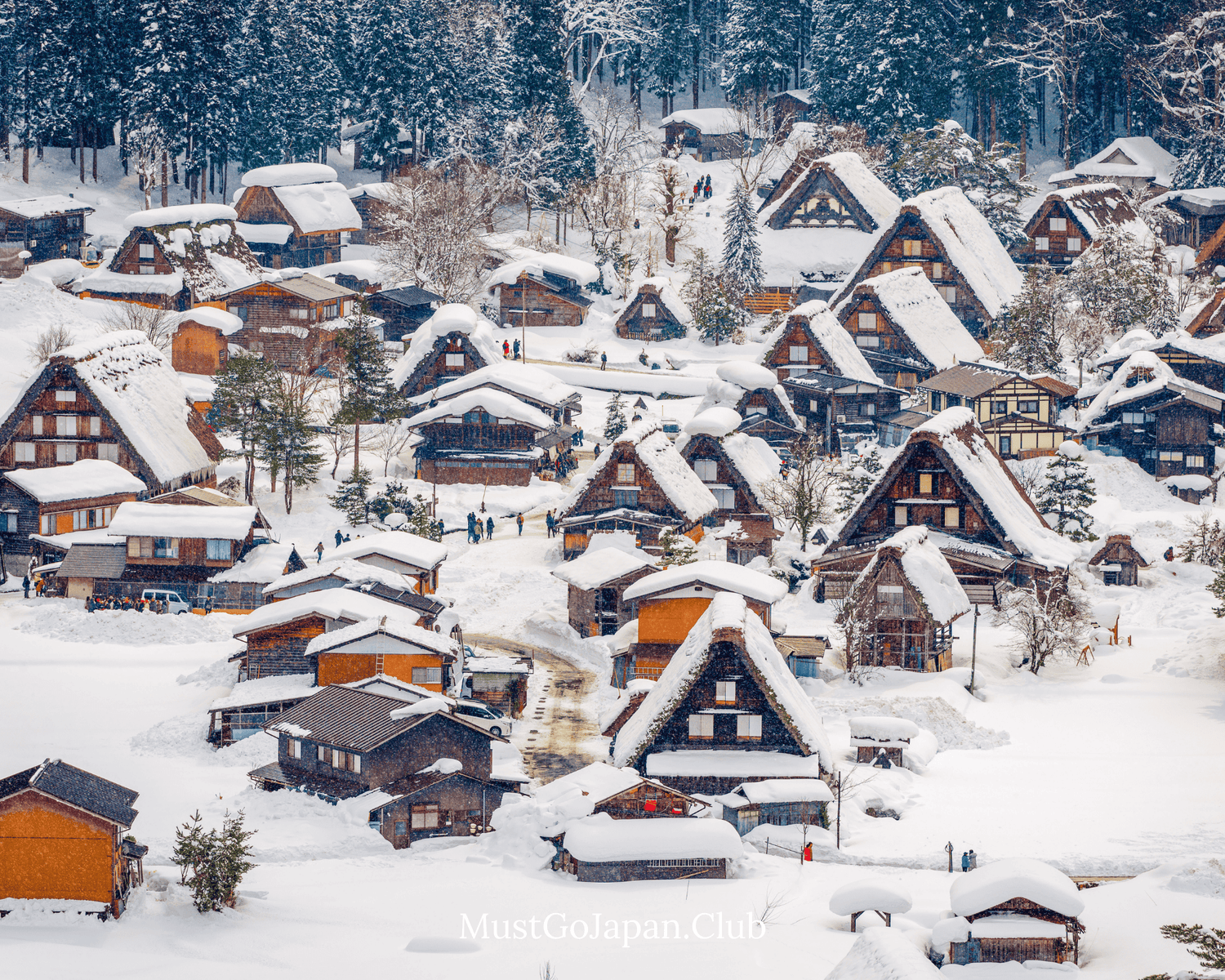
Winter (December to February) offers snow activities and lower prices
🌸Japan's Seasonal Highlights
-Spring (March to May)
Weather: 10-21°C (50-70°F)
Crowd Level: Very High
Cost: Peak Season
Spring is Japan's most popular tourist season, and for good reason.
The iconic cherry blossoms (sakura) typically bloom from late March to early April, starting in the south and moving northward. While breathtakingly beautiful, this season comes with challenges:
Advantages:
Cherry blossom viewing (hanami)
Comfortable temperatures
Perfect for outdoor activities
Many traditional festivals
Disadvantages:
Highest accommodation prices
Crowded tourist attractions
Need to book months in advance
Unpredictable cherry blossom timing
-Summer (June to August)
Weather: 23-30°C (73-86°F)
Crowd Level: Moderate
Cost: Moderate
Summer brings unique experiences but also challenging weather conditions:
Advantages:
Vibrant festivals (matsuri)
Mt. Fuji climbing season
Spectacular firework displays
Perfect for beach activities
Disadvantages:
High humidity
Rainy season (June)
Hot temperatures
Crowded during Obon festival
-Fall (September to November)
Weather: 14-23°C (57-73°F)
Crowd Level: Moderate to High
Cost: Moderate
Fall is arguably the best time to visit Japan, offering a perfect balance of weather, crowds, and natural beauty:
Advantages:
Spectacular autumn colors
Comfortable temperatures
Less crowded than in spring
Rich harvest festivals
Clear skies perfect for Mt. Fuji views
Disadvantages:
Popular spots can still be crowded
Typhoon season (mainly September)
Prices increase during peak foliage
-Winter (December to February)
Weather: 1-10°C (34-50°F)
Crowd Level: Low (except New Year)
Cost: Lower (except New Year)
Winter offers unique experiences and better travel deals:
Advantages:
Ski resorts and snow festivals
Hot spring (onsen) experience
Lower tourist numbers
Better travel deals
Winter illuminations
Disadvantages:
Cold temperatures
Limited hours of daylight
Some attractions have reduced hours
New Year period is very busy
Month-by-Month Breakdown
Best Months to Visit
November: Perfect weather, autumn colours, moderate crowds
April: Cherry blossoms, mild temperatures (but crowded)
October: Comfortable weather, early autumn colours
May: Late spring flowers, warm weather
Months to Avoid
June: Rainy season
August: Peak humidity and heat except for mountain area
Late December to Early January: New Year crowds
Special Events Worth Planning Around
February: Sapporo Snow Festival
April: Cherry Blossom Festivals
July: Gion Matsuri (Kyoto)
August: Firework Festivals
November: Autumn Festivals
Conclusion
The best time to visit Japan depends on your priorities.
For balanced weather and crowds, aim for fall months.
For iconic cherry blossoms, plan for spring, but prepare for crowds.
Budget travellers should consider winter, while festival enthusiasts might prefer summer despite the weather challenges.
Remember that Japan is a year-round destination, and each season offers its unique charm.
The key is to plan according to your preferences and prepare appropriately for the conditions you'll encounter.
Have you read my Japan Guidebook?
If not, download it from here
it will help you understand Japan:)
LATEST POST
Let's explore hidden gems in Japan💎✨

@MustGoJapan.Club 2024