



How to Use Japanese Onsen - Complete Etiquette Guide for First-Timers
For many visitors to Japan, experiencing an onsen (hot spring bath) is both exciting and intimidating.
This comprehensive guide will walk you through everything you need to know about proper onsen etiquette, ensuring a comfortable and authentic Japanese bathing experience.
♨️What is an Onsen(温泉)?
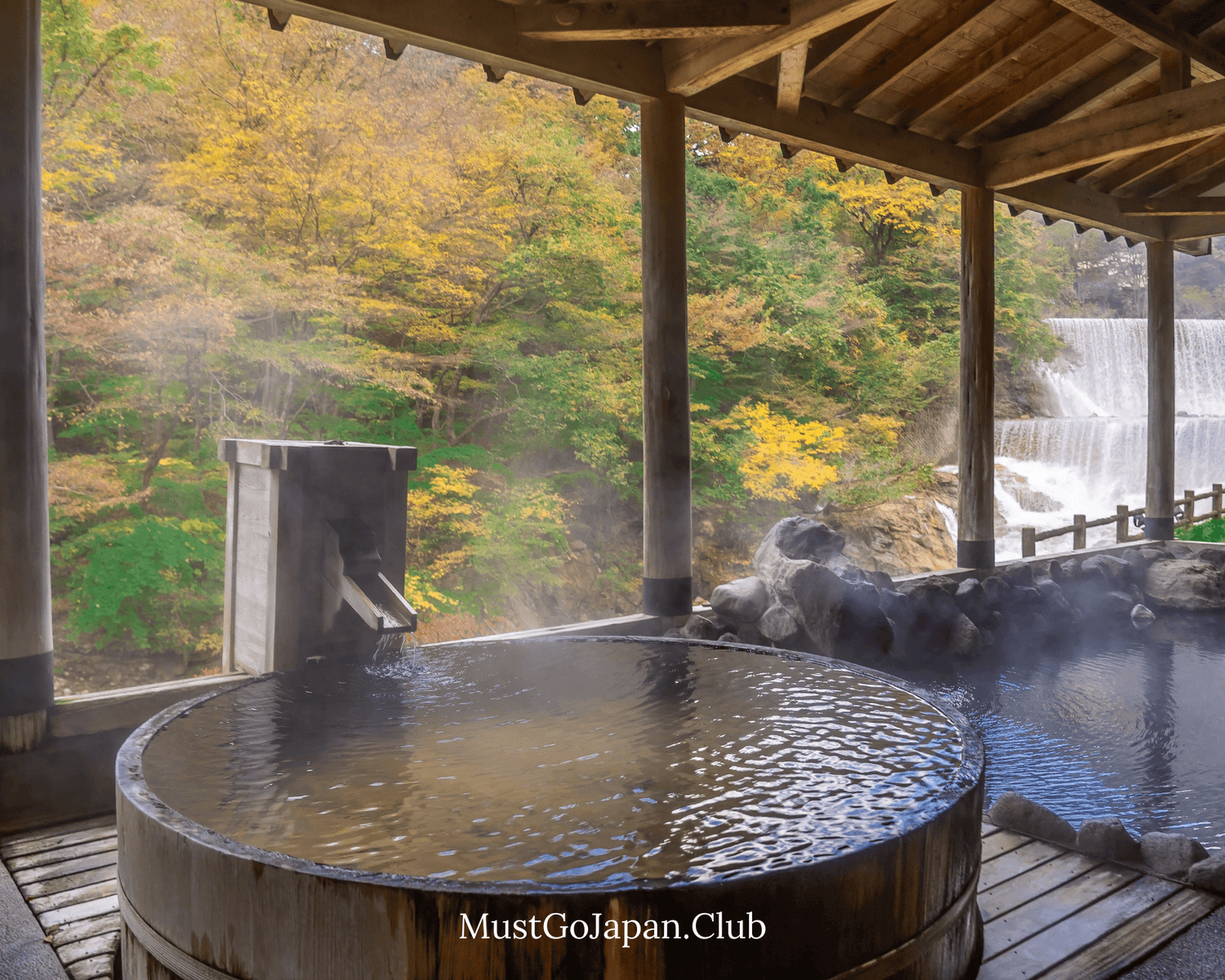
An onsen is a Japanese hot spring bath fed naturally heated, mineral-rich spring water.
These baths have been a cornerstone of Japanese culture for centuries, serving not just as places for cleansing but also for relaxation and social bonding.
The mineral content of each onsen is believed to offer different health benefits, from improving skin conditions to relieving muscle aches.
🚗Before You Go
Here's what you should know before visiting an onsen:
Most onsen are gender-separated
Tattoos are often prohibited (check in advance for tattoo-friendly facilities)
You'll need to be completely naked (no swimsuits allowed)
Bring a small towel (often available for rent or purchase)
Consider timing (early morning or late evening is usually less crowded)
🧼Essential Items to Bring or Rent
The following items are necessary for your onsen visit:
・Small towel for modesty and washing (you can buy or rent a small towel from the counter)
・Large towel for drying after bathing
・Basic toiletries (shampoo and soap are often provided)
・Hair tie for long hair
・Some places use coin locker 100-yen, but most likely no need
♨️Step-by-Step Guide to Using an Onsen
Entering the Facility
Upon arrival at the onsen, you'll need to:
1. Remove your shoes at the entrance
2. Purchase your ticket (from the staff or vending machine)
3. Head to the appropriate changing room (男湯 for men, 女湯 for women)
In the Changing Room
The changing room process is straightforward:
1. Choose a locker or basket for your belongings
2. Undress completely naked (you can cover your body with a small towel)
3. Take only your small towel and any toiletries to the bathing area
4. Leave your large towel in the locker
Washing Your Body Before Bathing
Proper cleaning before entering the bath is crucial!
Here's the process:
1. Find an available washing station
2. Sit on the provided stool
3. Thoroughly wash your entire body
4. Rinse completely, ensuring no soap remains
5. Keep your small towel out of the bathwater
Entering and Using the Bath
The most important rules for bathing:
Enter the water slowly to adjust to the temperature
Never submerge your head or towel in the bath
Avoid swimming or splashing
Keep your voice down
Don't wring out your towel into the bath
Stay hydrated (many onsen have water fountains nearby)
DO NOT HAVE A BATH WHEN YOU DRINK! (you may pass out and )
Moving Between Baths
Many onsen have multiple baths at different temperatures and with different mineral contents. When moving between baths:
Exit slowly and carefully
Pat yourself lightly with your small towel
Take time to cool down between very hot baths
⛰️Special Types of Onsen
Japanese onsen comes in various styles:
Indoor Baths (内湯Uchiyu):
Temperature-controlled environment
Often feature different types of baths
Available year-round regardless of weather
Outdoor Baths (露天風呂Roten buro):
Natural surroundings
Seasonal views
Fresh air and ambient sounds
♨️Common Onsen Features♨
Modern onsen facilities often include:
Sauna rooms
Cold plunge pools
Resting areas
Massage chairs
Restaurants or vending machines
🏥Health Considerations
Be mindful of these health-related points:
・Don't bathe on a full stomach
・Limit bathing time to 15-20 minutes per session if you do not get used to it!
・Exit immediately if feeling dizzy
・Avoid alcohol before bathing! It's hazardous, and people die from it.
・Stay hydrated throughout your visit
❌Onsen Etiquette Don'ts
These actions are strictly prohibited:
・Taking photos
・Running or diving
・Making loud noises
・Wearing swimsuits
・Swim in the bath
・Using phones in the bathing area
🐉Important Notice About Tattoos
In Japan, many onsen have strict policies regarding tattoos due to their historical association with organized crime. Here's what you need to know:
General Tattoo Policies
Most traditional onsens prohibit visible tattoos of any size
This applies to both decorative and cultural tattoos
The policy affects both Japanese and international visitors
Some facilities may ask guests with tattoos to leave
No exceptions are typically made for small or artistic tattoos
Options for Visitors with Tattoos
If you have tattoos, you have several options:
Tattoo-Friendly Onsen
Some modern onsens explicitly welcome tattooed guests
These are often found in tourist-heavy areas
Many ryokan (traditional inns) with private baths accept tattoos
Some facilities in Tokyo and other major cities are becoming more accepting
Private Baths (貸切風呂 - Kashikiri-buro)
Book a private bathroom
Usually available for 45-60 minutes
Book a ryokan with a private bath
More expensive than public baths
Requires reservation at most places
Cover-Up Options
Some facilities allow small tattoos to be covered with waterproof bandages
This is only acceptable for tiny tattoos
Bandages must stay secure in hot water
Not all facilities accept this solution
Sticker skin available on internet
How to Check Tattoo Policies
Before visiting an onsen:
Check the facility's website for tattoo policies
Look for the "tattoo-friendly" symbol (入れ墨・タトゥーOK)
Contact the facility directly if it is unclear
Consider booking a private bath in advance
Ask your hotel concierge for tattoo-friendly recommendations
Conclusion
Remember that onsen are places of relaxation and rejuvenation.
While the rules may seem numerous, they're designed to ensure everyone's comfort and enjoyment.
Once you're familiar with the basics, you'll find that onsen bathing is one of Japan's most rewarding cultural experiences.
LATEST POST
Let's explore hidden gems in Japan💎✨

@MustGoJapan.Club 2024